Trending Property
new

new

for-sale

for-sale

for-sale

for-sale

for-sale

new

for-sale

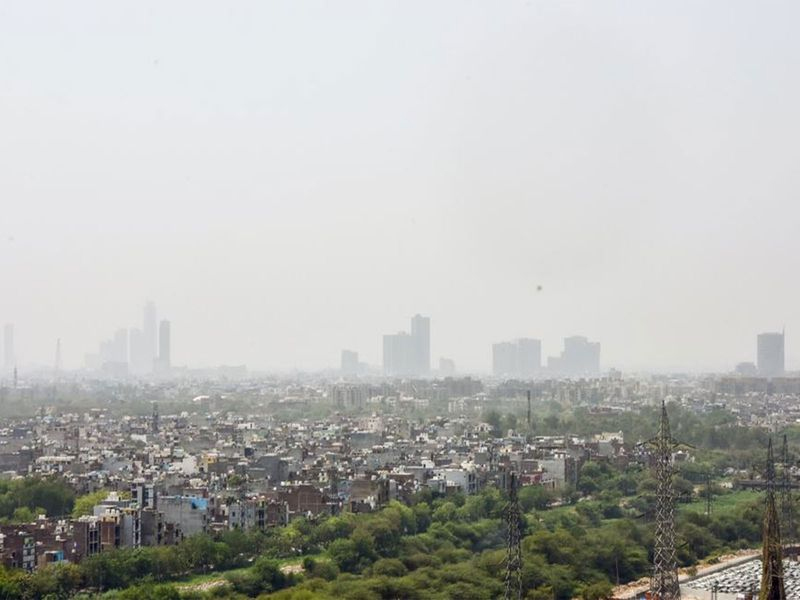
After years of steep property price escalation that stretched homebuyers’ finances, the Delhi-NCR residential market is entering a phase of relative stability in 2026, with incomes finally beginning to catch up to real estate values, according to the latest CBRE India Residential Market Outlook.
The report marks a significant turning point for the region, particularly Gurugram, which witnessed one of the sharpest price surges in the country. Between 2019 and 2024, property prices in key micro-markets rose by nearly 160 per cent, touching around Rs 19,500 per sq. ft. in premium corridors.
However, market dynamics are now showing signs of correction—not through falling prices, but through improved affordability. For the first time since the post-pandemic boom, household income growth in Delhi-NCR is projected to outpace property price appreciation. This shift is expected to stabilise the EMI-to-income ratio, easing financial pressure on buyers across segments.
Buyers with annual incomes of around Rs 40 lakh are finding renewed access to 2 BHK housing in emerging locations such as New Gurugram and Sohna Road.
Households earning about Rs 75 lakh are seeing 3 BHK options become more viable in growth corridors such as Dwarka Expressway and Southern Peripheral Road.
High-income buyers (Rs 1 crore and above) are witnessing a reduced EMI burden in premium areas such as Golf Course Extension and DLF Phase 5.
Industry experts highlight a clear transition in Gurugram’s housing market from speculative, investor-led activity to a more stable, end-user-driven demand cycle. While property prices are still expected to rise by 8–15 per cent in high-demand zones such as Dwarka Expressway, the pace of growth is now more aligned with income expansion rather than the speculative spikes seen in previous years.
Kapil Chugh, Director at Rise Infraventures Limited, noted that the change is visible not just in the data but also in transaction patterns.
“The easing is not in headline affordability metrics but in how deals are getting closed. Mid-segment buyers, who had stepped out earlier, are returning. Gurugram, after a near-160 per cent run-up between 2019 and 2024, is now getting grounded. Prices are still rising, but the trajectory is far more stable,” he said.
Despite broader affordability improvements, the market remains uneven. Luxury housing priced above Rs 2 crore continues to drive a significant share of sales, fuelled by demand from NRIs and high-net-worth individuals.
At the same time, the affordable housing segment (below Rs 45 lakh) continues to face supply constraints, highlighting the need for targeted policy support.
Rishabh Periwal, Senior Vice President at Pioneer Urban Land & Infrastructure Ltd, said the trend reflects strong fundamentals.
“With household incomes expected to keep pace with, and in many cases outstrip, property price trends, overall affordability is likely to improve gradually, strengthening homebuyer confidence. In Gurugram, this will support sustained demand across mid and premium segments while urging end-user participation.”


